


1 of 2 — Choose the dates
2 of 2 — Select the occupation and apply promotions

Olive Tree Trail Inaugurated at Hotel Rural Horta da Moura
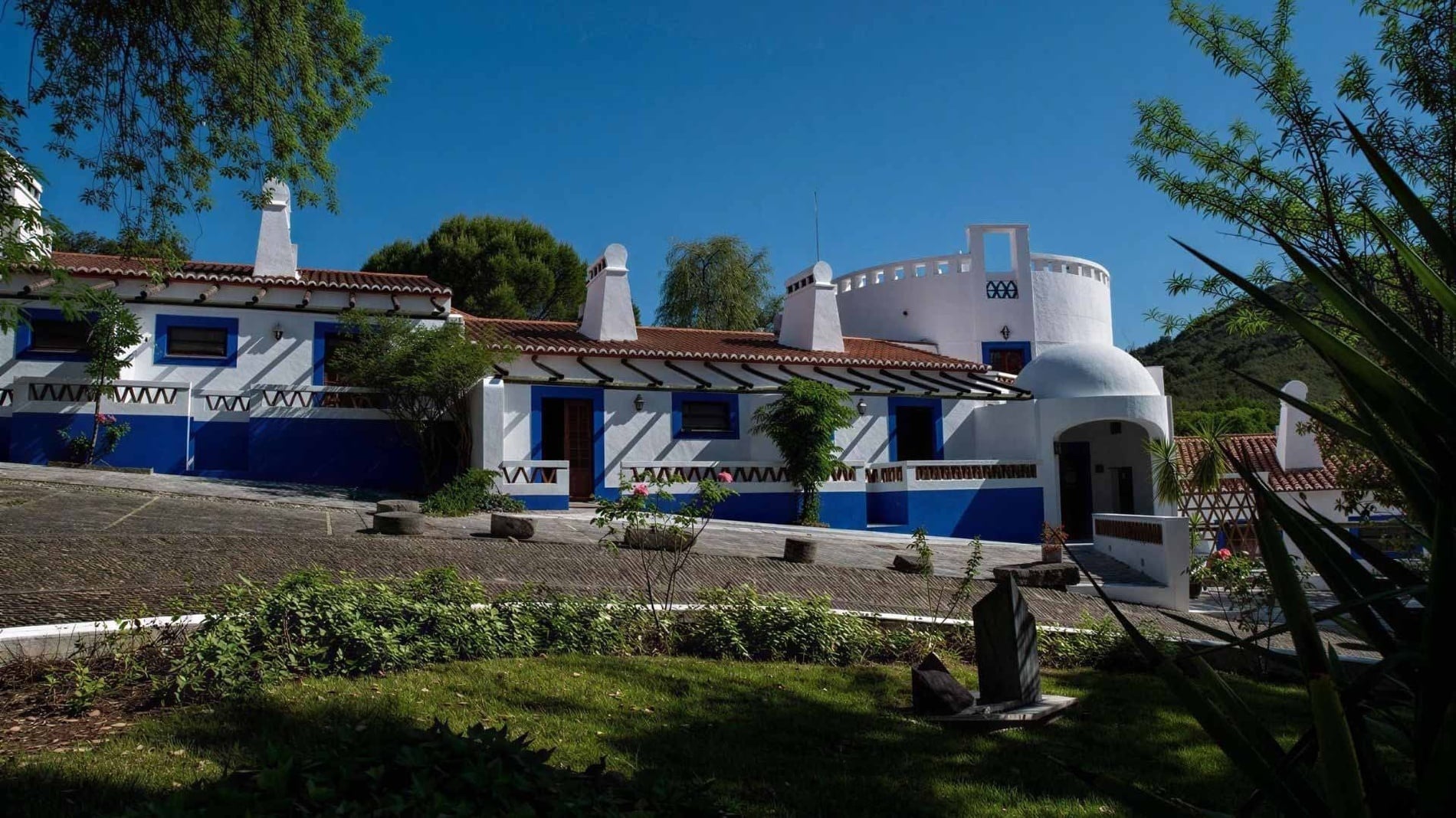
Seven millennial olive trees, one of them 2450 years old, are part of a signposted, identified and visitable route at the Hotel Rural Horta da Moura, in Monsaraz. The "Olive Tree Trail", implemented in part of the seven hectares of the hotel unit, exalts the historical, cultural and natural importance of these trees, olives and olive oil in their connection to the territory.
The route invites visitors to listen to the history of the territory through the olive trees, one of which is the second oldest in Portugal. The official opening ceremony was attended by Maria Luísa Paiva dos Santos, president of the hotel's Board of Directors, who highlighted the importance of preserving this heritage for the community.
Vítor Silva, from the Alentejo Regional Tourism Promotion Agency, praised the unit's innovation effort and reinforced the heritage value of the olive trees, which go beyond their economic contribution, as a source of olive oil and olives.
The initiative arose after a challenge launched by the administration to the University of Trás-os-Montes and Alto Douro (UTAD), which applied an innovative method for dating the olive trees based on mathematical calculations that use trunk measurements. This process does not cause damage to the trees and made it possible to prove ages between 750 and 2450 years.
Despite their advanced age, the olive trees continue to bear fruit, having produced three tons of olives in the last harvest. The oldest one went through historical periods such as the Roman Empire, the barbarian invasions, the Moorish presence and the birth of Portugal.
Guided tours include explanations about olive tree species, cultivation techniques and curiosities about olive oil, in addition to touring a natural space with olive trees, orange trees and aromatic herbs.
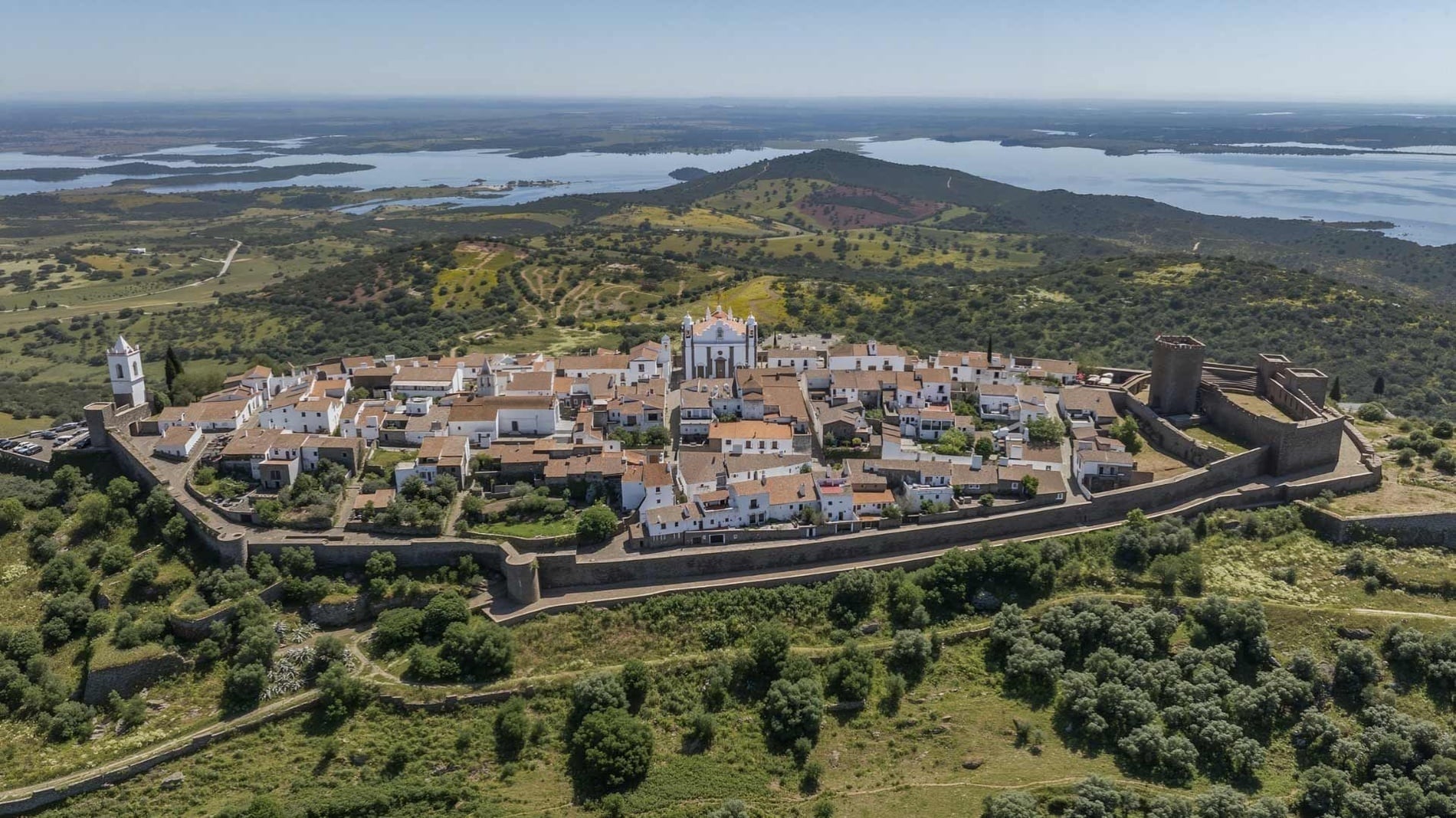
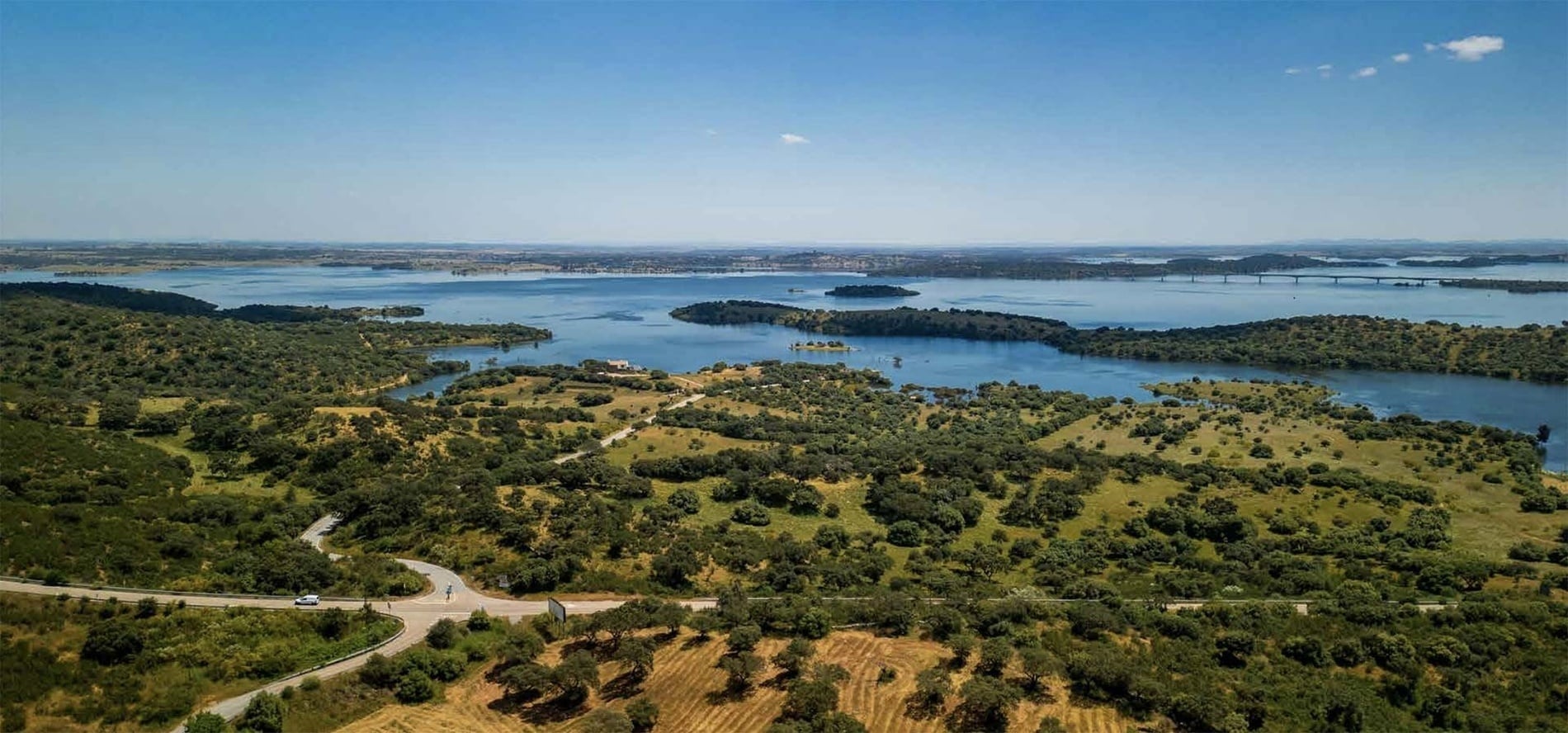
At the Feitiço da Moura restaurant, visitors can also savor dishes of Alentejo cuisine where local olive oil plays a prominent role. The hotel is located in a territory rich in tourist attractions such as the village of Monsaraz, the megalithic route, the pottery of São Pedro do Corval and the Alqueva dam.
Source: Café Portugal
Seven millennial olive trees, one of them 2450 years old, are part of a signposted, identified and visitable route at the Hotel Rural Horta da Moura, in Monsaraz. The "Olive Tree Trail", implemented in part of the seven hectares of the hotel unit, exalts the historical, cultural and natural importance of these trees, olives and olive oil in their connection to the territory.
The route invites visitors to listen to the history of the territory through the olive trees, one of which is the second oldest in Portugal. The official opening ceremony was attended by Maria Luísa Paiva dos Santos, president of the hotel's Board of Directors, who highlighted the importance of preserving this heritage for the community.
Vítor Silva, from the Alentejo Regional Tourism Promotion Agency, praised the unit's innovation effort and reinforced the heritage value of the olive trees, which go beyond their economic contribution, as a source of olive oil and olives.
The initiative arose after a challenge launched by the administration to the University of Trás-os-Montes and Alto Douro (UTAD), which applied an innovative method for dating the olive trees based on mathematical calculations that use trunk measurements. This process does not cause damage to the trees and made it possible to prove ages between 750 and 2450 years.
Despite their advanced age, the olive trees continue to bear fruit, having produced three tons of olives in the last harvest. The oldest one went through historical periods such as the Roman Empire, the barbarian invasions, the Moorish presence and the birth of Portugal.
Guided tours include explanations about olive tree species, cultivation techniques and curiosities about olive oil, in addition to touring a natural space with olive trees, orange trees and aromatic herbs.
At the Feitiço da Moura restaurant, visitors can also savor dishes of Alentejo cuisine where local olive oil plays a prominent role. The hotel is located in a territory rich in tourist attractions such as the village of Monsaraz, the megalithic route, the pottery of São Pedro do Corval and the Alqueva dam.
Source: Café Portugal