

1 of 2 — Choose the dates
2 of 2 — Select the occupation and apply promotions

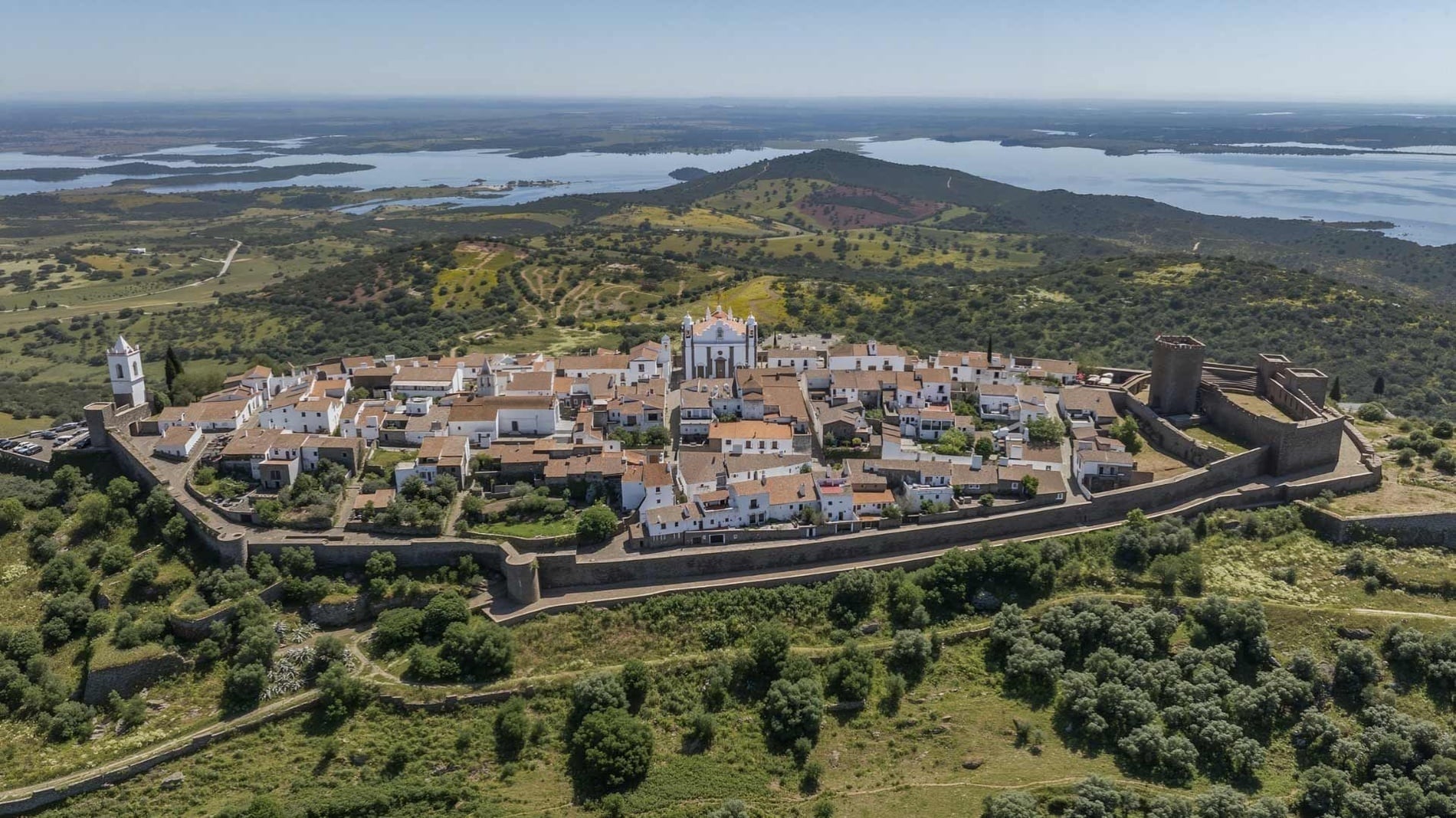
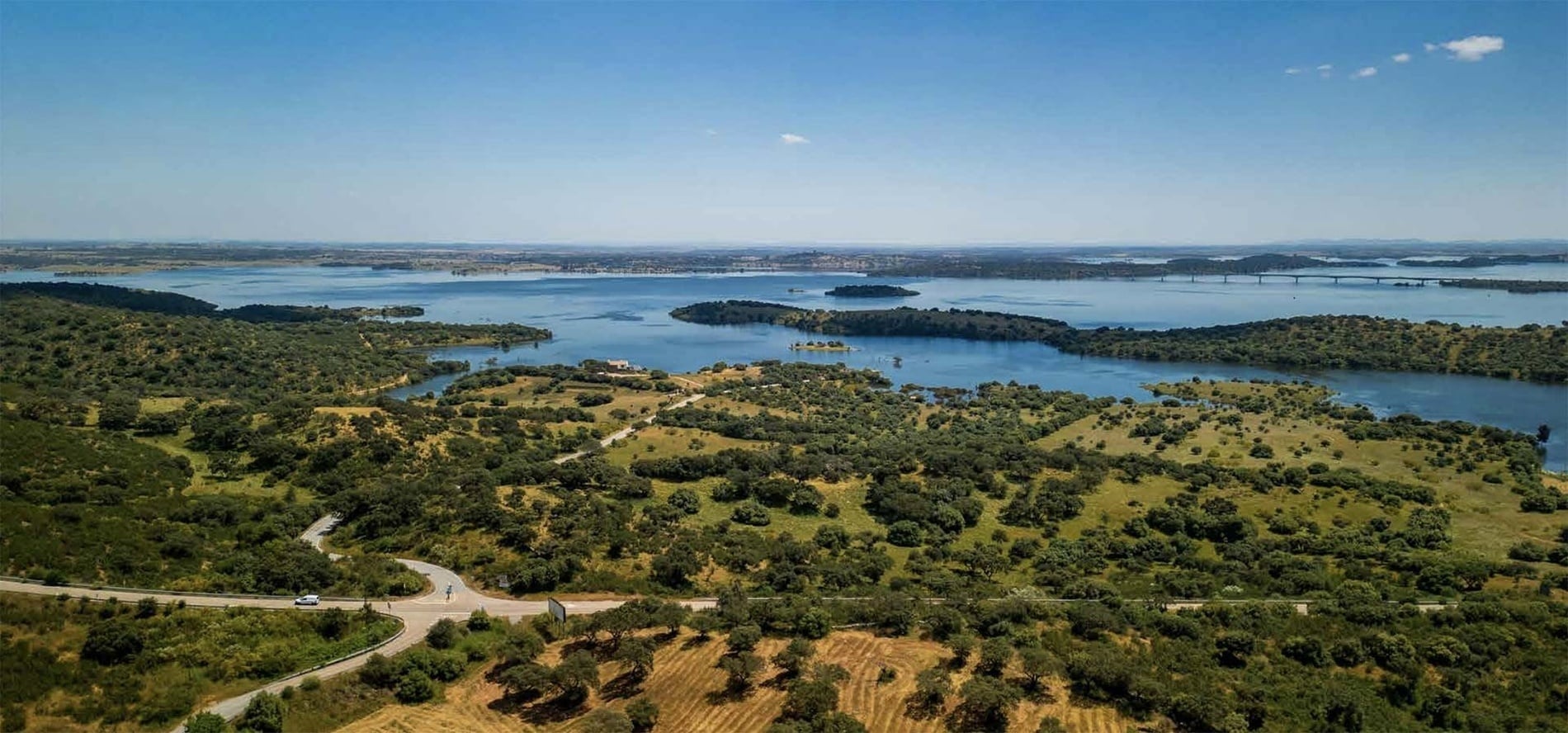
On the complete opposite side of the region, there is a lake that forms the border between Spain and Portugal. It is one of the largest artificial lakes in Europe, and is so large that it crosses five municipalities in the Alentejo. One of them is Reguengos de Monsaraz, which is home to a small hilltop village, Monsaraz.
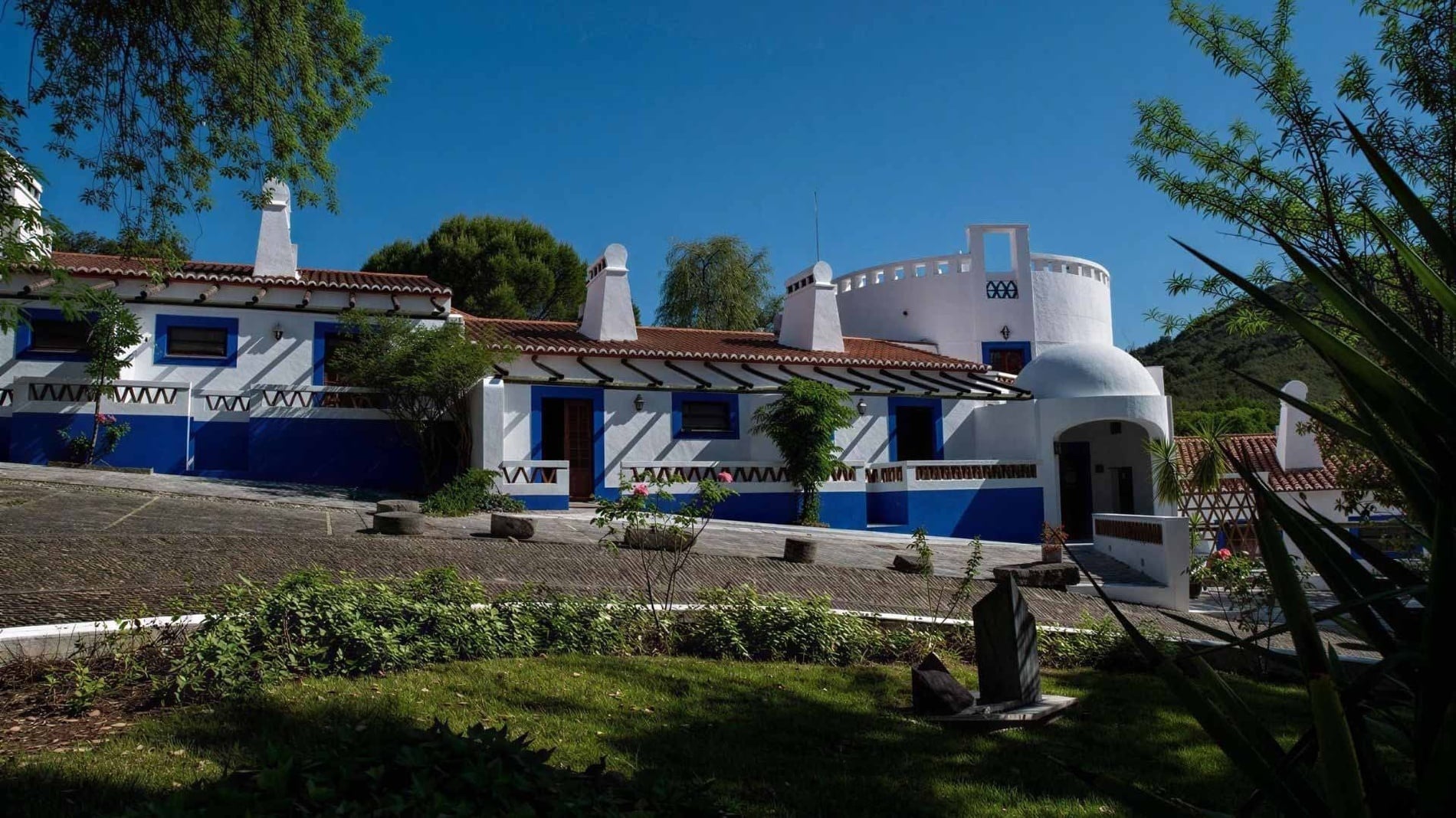
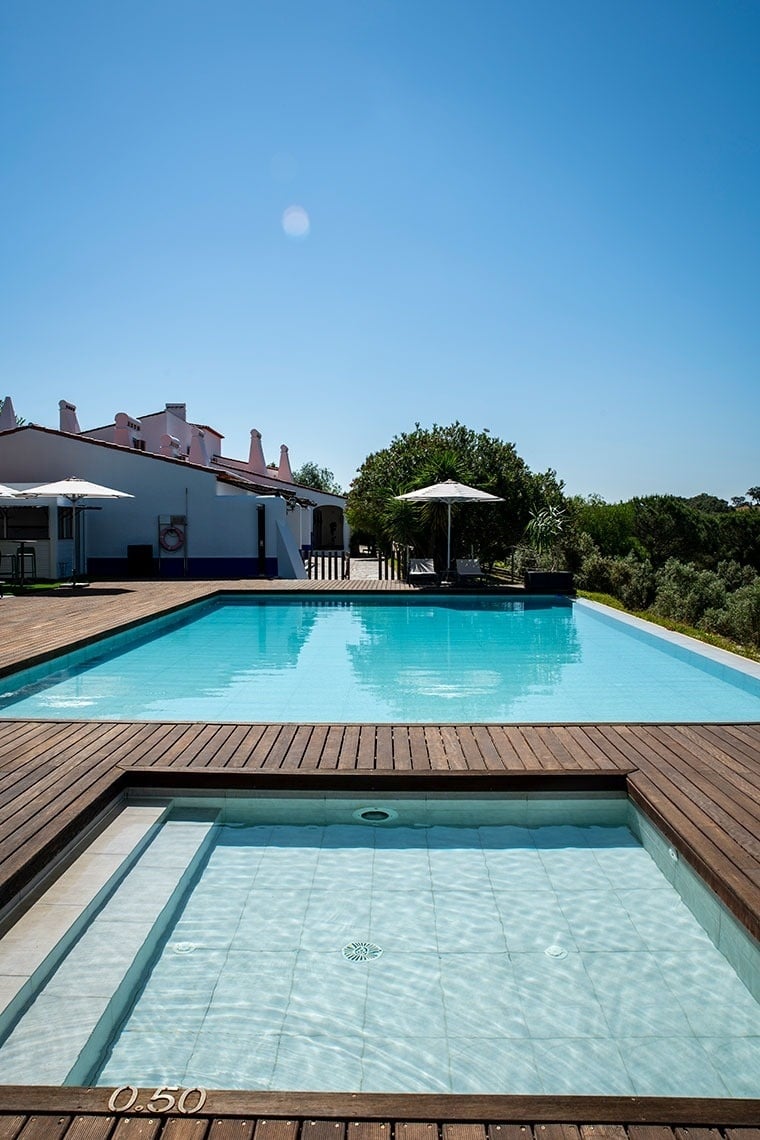
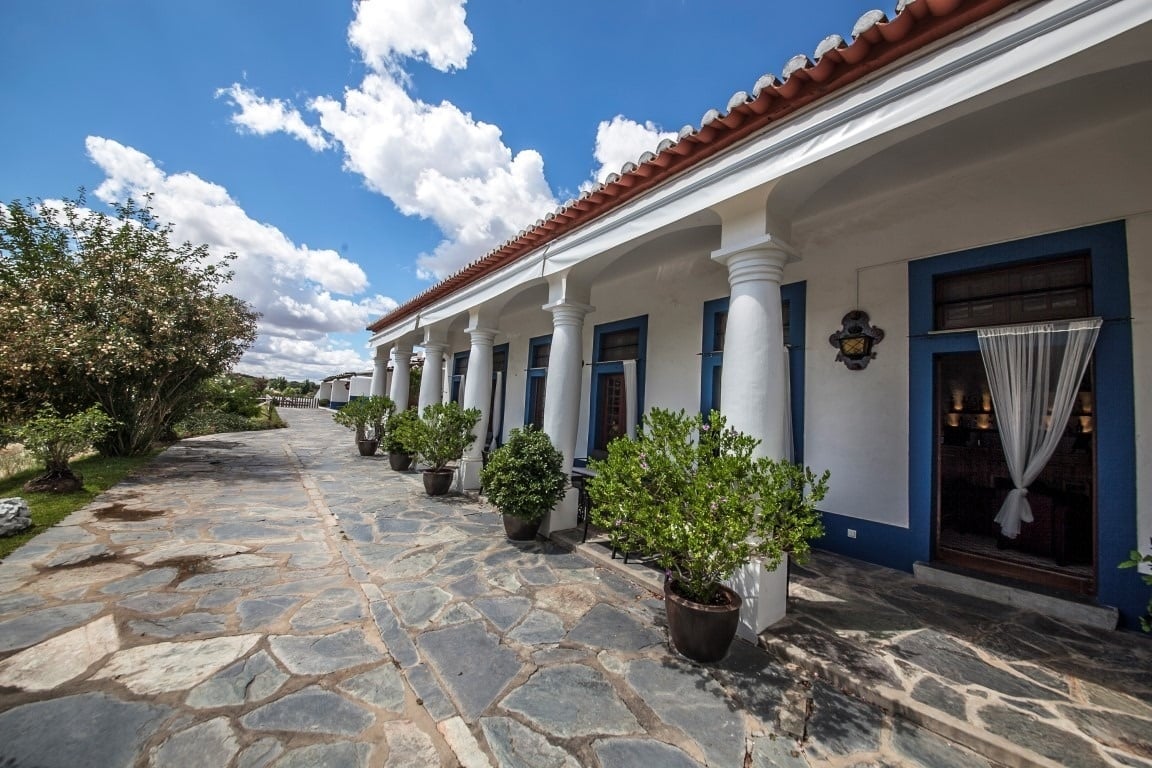
This walled village could have been painted on the horizon by Walt Disney. Its existence is little known outside the Alentejo, but it is one of those places that symbolises not only this region, but perhaps Portugal as a whole. However, its best-kept secret is hidden just a few kilometres from the city, in Horta da Moura, a hotel and rural restaurant that has more to offer than good food and comfortable accommodation that, with its blue and white paintwork, resembles a typical Alentejo farmhouse.
As I stroll through the Horta da Moura estate, the sight of a donkey pulling a watermill leaves me with the feeling of having been transported back decades. But within moments, I will feel even further back in time.
We walked along the property's path, passing under lemon trees, onions, taking pictures of flower beds, until we reached a large olive tree. Underneath the tree, on one side, there was a sign and, on the other, a table decorated with a red and white tablecloth.
There are several olive trees on the property, which is known as Caminho das Oliveiras, the path that runs around the property where the olive trees are located, but this one is very special. If there is one thing that is still standing in the Alentejo and has seen everything over time, it is this tree. It is almost 3,000 years old. And not only that, it is still producing fruitful crops.
This means that the next part of the afternoon is as follows: I stand under the 3,000-year-old tree, nibble on olives that have come from the tree itself, eat fresh cheese - fresh cheese from Alentejo, and drink white wine made from Antão Vaz and Arinto - two grape varieties that are unique to Portugal and classic to this region.
This is really the “farm to table” approach, it’s really “KM 0”, but it’s been happening here since before the culinary world coined these terms. One of the many quotes about the Portuguese and their food that Ruben has shared with me over the last few days is that for the Portuguese “food is pleasure”. Right now, I’m definitely feeling it.
The feeling of seeing the producer (the tree) with my eyes, touching the product (the olives) with my hands and tasting the liquid gold (the olive oil), all in the same moment, is something I feel lucky to be able to experience.
Forget the plastic bottles of refined olive oil that line the shelves of your local supermarket or pulling the lid off a can of commercially produced olives. This is the real deal. This is real life. Source: ROADLESSFORKED
This walled village could have been painted on the horizon by Walt Disney. Its existence is little known outside the Alentejo, but it is one of those places that symbolises not only this region, but perhaps Portugal as a whole. However, its best-kept secret is hidden just a few kilometres from the city, in Horta da Moura, a hotel and rural restaurant that has more to offer than good food and comfortable accommodation that, with its blue and white paintwork, resembles a typical Alentejo farmhouse.
As I stroll through the Horta da Moura estate, the sight of a donkey pulling a watermill leaves me with the feeling of having been transported back decades. But within moments, I will feel even further back in time.
We walked along the property's path, passing under lemon trees, onions, taking pictures of flower beds, until we reached a large olive tree. Underneath the tree, on one side, there was a sign and, on the other, a table decorated with a red and white tablecloth.
There are several olive trees on the property, which is known as Caminho das Oliveiras, the path that runs around the property where the olive trees are located, but this one is very special. If there is one thing that is still standing in the Alentejo and has seen everything over time, it is this tree. It is almost 3,000 years old. And not only that, it is still producing fruitful crops.
This means that the next part of the afternoon is as follows: I stand under the 3,000-year-old tree, nibble on olives that have come from the tree itself, eat fresh cheese - fresh cheese from Alentejo, and drink white wine made from Antão Vaz and Arinto - two grape varieties that are unique to Portugal and classic to this region.
This is really the “farm to table” approach, it’s really “KM 0”, but it’s been happening here since before the culinary world coined these terms. One of the many quotes about the Portuguese and their food that Ruben has shared with me over the last few days is that for the Portuguese “food is pleasure”. Right now, I’m definitely feeling it.
The feeling of seeing the producer (the tree) with my eyes, touching the product (the olives) with my hands and tasting the liquid gold (the olive oil), all in the same moment, is something I feel lucky to be able to experience.
Forget the plastic bottles of refined olive oil that line the shelves of your local supermarket or pulling the lid off a can of commercially produced olives. This is the real deal. This is real life. Source: ROADLESSFORKED